
 Facebook
 X
X
 Pinterest
 Copy Link

Missoula’s housing crisis didn’t appear overnight. While Missoula has long been more expensive than other Montana communities, housing costs historically remained within reach of local incomes. That balance has steadily eroded over time, and in the past five years, the problem has accelerated dramatically.
In the early 2000s and 2010s, home prices rose faster than wages, but homeownership was still attainable for many households. By the mid-to-late 2010s, the gap became obvious: home prices climbed into the low $300,000s while local incomes lagged behind. Then came the pandemic-era surge. Over roughly a decade, Missoula’s median home price has more than doubled, reaching nearly $600,000 today. This is far beyond what most local households earning around $70,000–$75,000 can afford.
This affordability gap is worsened by rising property taxes and long-standing structural constraints that inhibit building. Zoning that favors single-family housing, limited land for development, and geographic barriers like mountains, rivers, and floodplains have all restricted housing supply and driven up costs.
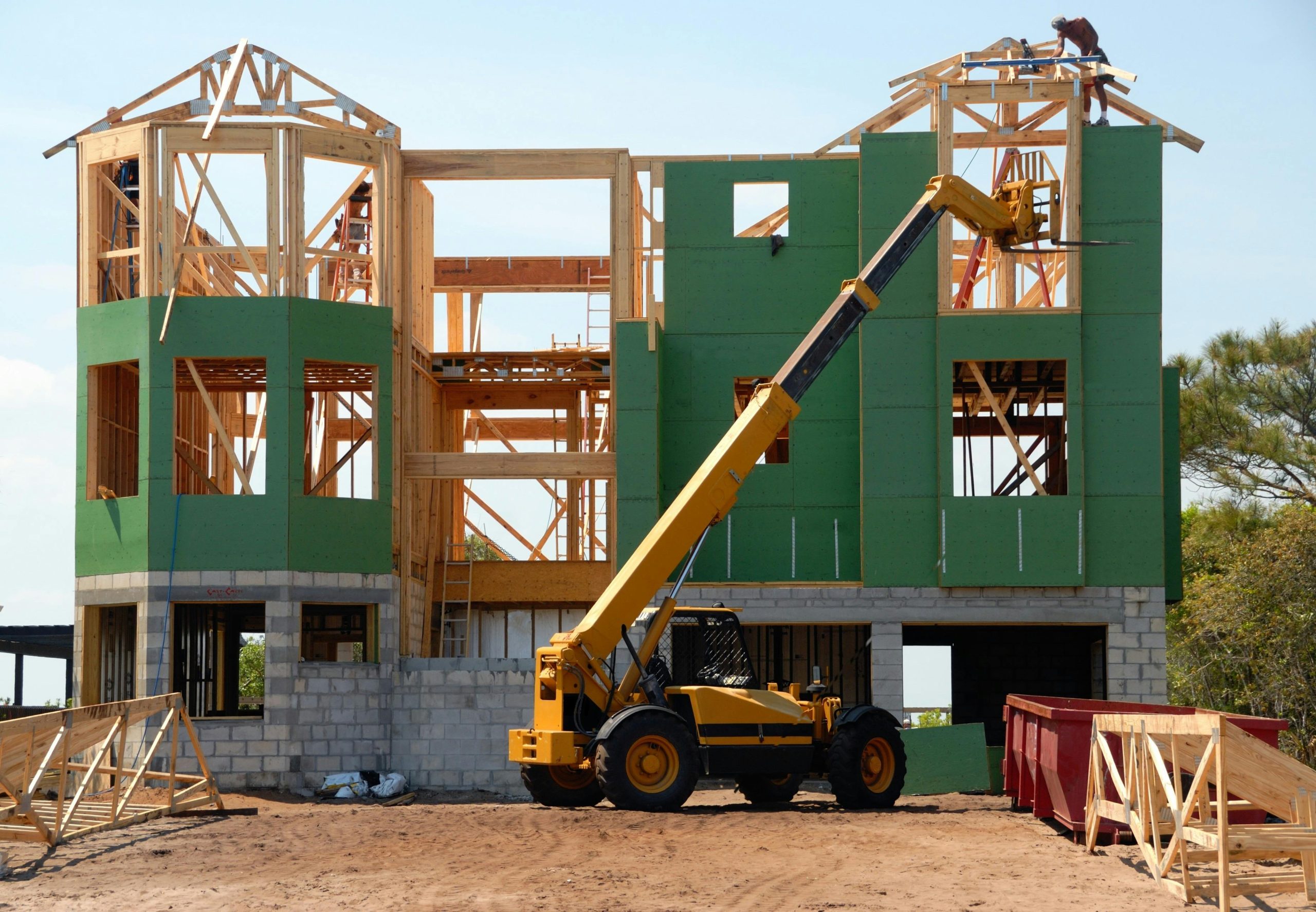
Missoula is responding with policy reforms and public investment, including zoning updates under Our Missoula 2045, the Affordable Housing Trust Fund, and workforce housing programs. County-level initiatives support infrastructure, partnerships, and housing stabilization efforts. These steps are important, but they will take time.
What residents are experiencing today is not a sudden anomaly, it is the result of decades of imbalance followed by rapid acceleration. Addressing it will require sustained commitment and patience.
Time will tell.
December 30, 2025
